Hardscaping Services: Transform Your Patio Area With Elegant Features
Hardscaping offerings prove essential in transforming outdoor environments. By integrating components like patios, walkways, and fire pits, these services enhance both usability and visual appeal. The right materials can boost drainage and build inviting areas for recreation. However, understanding the multiple dimensions of hardscaping is imperative for making informed decisions. Which features should one emphasize, and how might they genuinely elevate a property's value? Exploring these matters unearths more to reflect on.
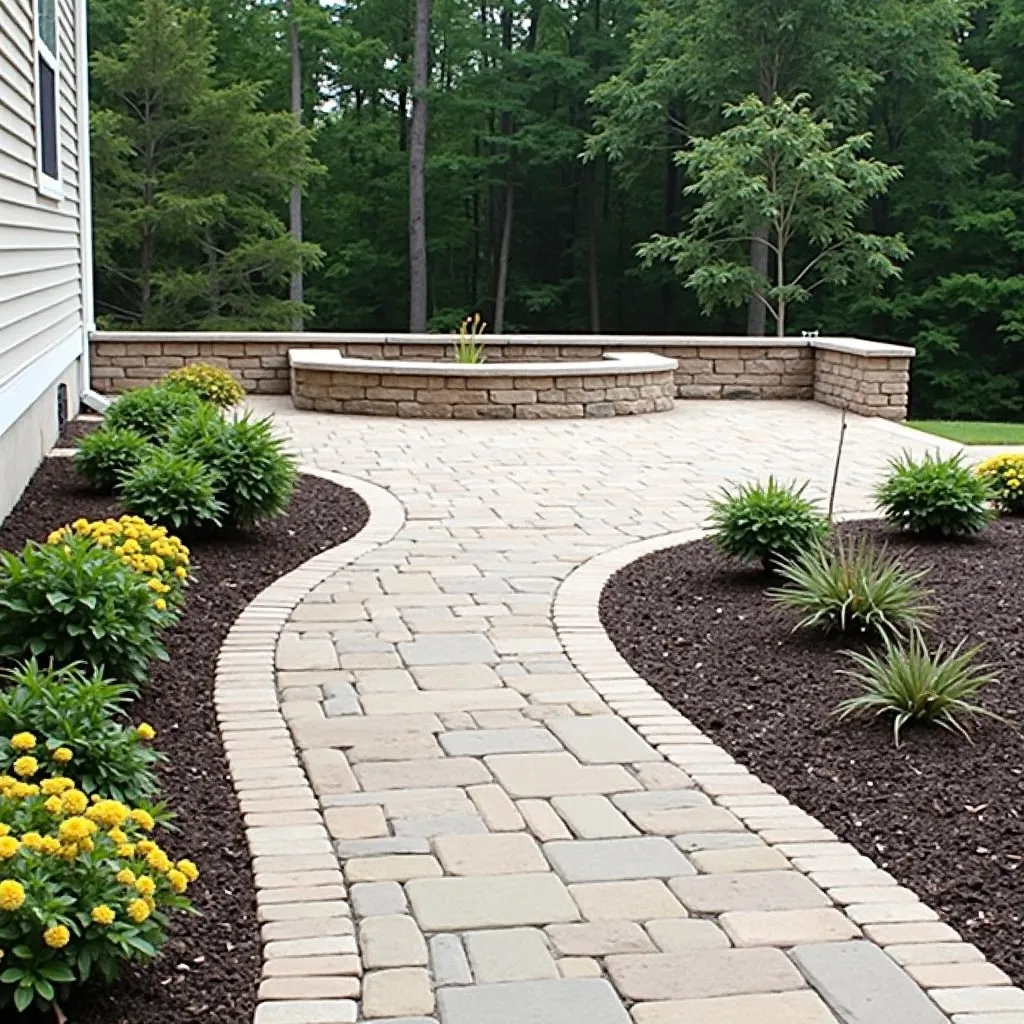
What Is Hard landscaping and Why Is It Important?
Hardscaping denotes the non-vegetation features of landscape design, including structures such as patios, walkways, and retaining walls. This feature serves an important function in outdoor spaces, providing structure and practicality. By incorporating hardscaping, homeowners can establish defined areas for relaxation, entertainment, and navigation, increasing the overall usability of a yard.
Moreover, hardscaping features enhance the visual interest of a outdoor area, offering visual variation to vegetation and seasonal plantings. They can be designed in various styles and materials, enabling personalized expression that reflects the architecture of a home.
Moreover, hardscaping aids with drainage and erosion control, reducing landscape upkeep and preserving the stability of the surrounding environment. Overall, it functions as a foundational aspect of landscape architecture, blending beauty with functionality, and guaranteeing that outdoor spaces are both inviting and durable.
Vital Hardscaping Qualities for an Attractive Outdoor Space
Designing an inviting outdoor setting often centers on incorporating critical landscaping components that boost both utility and visual appeal. Key elements like patios, walkways, and retaining walls deliver framework and order, steering movement throughout the landscape. Patios serve as social hubs for gatherings, whereas walkways create protected passageways, joining different zones with ease.
Installing elements such as fire pits or outdoor kitchens can boost social interactions, providing warmth and food experiences under the open sky. Additionally, ornamental pebbles, gravel, or mulch can be positioned to establish garden beds and pathways, establishing texture and contrast.
Water features, such as fountains or ponds, introduce calming sounds and a sense of tranquility. Finally, well-placed lighting improves safety while accentuating architectural details during the evening hours. Altogether, these hardscaping elements contribute to a cohesive, inviting environment that encourages outdoor enjoyment.
What's the Best Way to Pick Premium Materials for Your Hardscaping?
Choosing the right materials for hardscaping projects is essential for achieving durability and aesthetic beauty. Homeowners should evaluate elements such as weather conditions, upkeep needs, and the planned purpose of the space. For instance, stone materials offers a classic appearance and outstanding strength, making it ideal for patios and walkways. Alternatively, paver blocks offer flexibility in style and appearance, while being budget-friendly.
Furthermore, the choice between permeable and non-porous materials can affect drainage and landscaping. Permeable alternatives, like permeable pavers, allow water to flow through, reducing excess water and deterioration.
It is furthermore important to choose materials that complement existing structures and the overall landscape. By aligning the hardscape features with the home’s architecture and surrounding greenery, a cohesive and welcoming outdoor space can be achieved. Ultimately, the right materials will not only enhance aesthetics but also provide long-lasting functionality.
Establishing Practical and Beautiful Exterior Areas
Transforming outdoor spaces into functional and aesthetic areas requires a careful approach that balances decorative features with practical considerations. Effective hardscaping includes pathways, patios, and retaining walls that serve both usability and attractiveness. By selecting materials that complement the surrounding landscape, homeowners can create a smooth shift between built and natural environments.
Including amenities such as seating areas, fire features, or outdoor kitchens maximizes the practicality of the space while promoting social engagement. Furthermore, proper attention to moisture control and lighting guarantees that the area remains secure and usable in diverse conditions.
Ornamental rocks and vegetation when positioned strategically can soften hard edges, introducing a touch of nature to the layout. Ultimately, a carefully designed outdoor area not only showcases personal taste but also accommodates everyday activities, making it a valuable extension of the home.
Hardscape Maintenance Advice for Lasting Results
Keeping hardscaping elements in good condition is vital for maintaining their longevity and aesthetic appeal. Routine cleaning, seasonal inspections, and timely repairs of any damage are vital roles in protecting these outdoor structures. By adhering to these maintenance tips, homeowners can enhance both the durability and appearance of their hardscaped areas.
Regular Cleaning Habits
Regular cleaning practices significantly improve the longevity of hardscaping features. Regular upkeep prevents the buildup of dust, particles, and natural matter that can cause stains and deterioration. Regularly sweeping surfaces maintains free debris at bay and decreases the risk of algae or moss development. For more stubborn stains, a gentle pressure wash can successfully eliminate dirt without damaging the surface. Additionally, using a balanced pH cleanser guarantees that the integrity of the hardscape is maintained. It is also essential to inspect seams and joints for any signs of wear or damage, as these areas may need more concentrated maintenance. By implementing these practices, homeowners can maintain the visual attractiveness and structural integrity of their exterior areas.
Scheduled Assessments: Appreciating Their Criticality
Carrying out timely inspections is necessary for the longevity of hardscaping elements. These checks let property owners notice damage caused by varying weather conditions, such as freeze-thaw cycles or heavy rainfall. Regular inspections assist in keeping joints, pavers, and retaining walls steady and free from cracks or shifting. Also, checking drainage systems is critical to prevent water build-up, which can cause structural damage over time. Seasonal evaluations also allow opportunities to maintain surfaces and address any minor issues before they progress into extensive repairs. By emphasizing these inspections, homeowners can sustain the visual charm and functionality of their outdoor spaces, ultimately extending the longevity of their hardscaping investments.
Mending Damage Immediately
Taking action on wear at once is vital for preserving the structural soundness of hardscaping features. Overlooking minor defects, such as breaks in paving stones or unstable boundary walls, may lead to more severe problems over the long term. Regular maintenance checks help identify these concerns in a timely fashion, enabling quick repairs that protect owners from expensive renovations. To illustrate, sealing breaks with suitable materials improves looks and prevents water seepage, which leads to additional deterioration. Repositioning pavers improves safety and performance. Property owners must consider seasonal damage, tackling any wear before extreme environmental factors worsen conditions. Through prioritizing timely fixes, the durability and aesthetic appeal of hardscaping elements can be successfully maintained
Hardscaping's Role in Increasing Property Value
Hardscaping substantially increases property value by enhancing curb appeal and creating functional outdoor spaces. Well-designed patios, walkways, and retaining walls not only draw potential buyers but also deliver practical areas for relaxation and enjoyment. These improvements can lead to a higher return on investment for homeowners.
Enhanced curb appeal
While many homeowners seek ways to enhance their properties, incorporating hardscaping elements can dramatically boost curb appeal. Features such as stone pathways, retaining walls, and decorative patios provide a visually pleasing exterior that captures potential buyers. The aesthetic appeal of well-crafted hardscaping not only supplements landscaping but also sets a unique tone for the property. Additionally, quality materials and craftsmanship can convey to buyers that the home is well-maintained, further increasing perceived value. Properly executed hardscaping not only enhances visual appeal but also adds to a unified design, making the home shine in the neighborhood. Ultimately, these enhancements can result in a notable boost in property value, making hardscaping a beneficial investment for homeowners.
Functional Outdoor Spaces
Developing usable exterior spaces via hardscaping can substantially enhance a property's worth. Through installing items such as patios, walkways, and retaining walls, homeowners can expand usability and visual appeal. These hardscaped regions supply adaptable environments for entertaining, relaxation, and recreation, making the property more attractive to potential buyers. Moreover, strategically designed hardscaping can improve water flow and cut maintenance expenses, further appealing to prospective homeowners. Properties featuring practical outdoor spaces often stand apart in the real estate market, as they allow for a seamless blend of indoor and outdoor living. In the end, investing in hardscaping not only enhances visual quality of a property but also contributes considerably to its market value, making it a sound investment for homeowners.
What Should You Search for When Appointing Skilled Hardscaping Providers?
When looking for professional hardscaping services, what key factors should be evaluated to ensure expert advice a completed project? First, a reputable contractor should have appropriate licenses and insurance to guarantee responsibility and safeguarding against possible risks. In addition, examining a collection of previous work offers understanding of the caliber and approach of services. Client testimonials and references can further validate the contractor's reliability and professionalism.
Additionally, acquiring several quotes allows for an better understanding of pricing standards and helps in making informed choices. It's crucial to evaluate the contractor's expertise with particular products and designs, confirming they can meet individual project needs. Interpersonal abilities also play a important part; a contractor should be receptive to exploring ideas, timelines, and budgets. Finally, confirming that the contractor provides a detailed documented agreement can prevent misunderstandings and clarify project requirements, leading to a smoother completion.
Popular Questions Raised
What Are the Average Rates for Hardscaping Services?
The common price of hardscaping services varies considerably, usually ranging from $15 to $50 per square foot. Aspects affecting pricing comprise materials, labor costs, project complexity, and regional market differences, affecting total investment requirements for property owners.
How Much Duration Should You Expect for a Hardscaping Project?
Hardscaping projects generally require anywhere from a few days to several weeks, contingent upon the project's difficulty, size, and the materials chosen. Atmospheric factors and labor availability can also alter the timeline substantially.
Should Hardscaping Be DIYed or Is getting professional help Necessary?
Hardscaping is capable of being completed by yourself, but skilled assistance is often advised for intricate tasks. Specialized knowledge assures durability and aesthetics, while unskilled efforts may lead to costly mistakes, damaging the overall quality and lasting power of the installation.
Should you account for seasonal elements when planning outdoor hardscape work?
Seasonal considerations for hardscaping work include temperature swings, rainfall, and ground conditions. Spring and fall are optimal for installation, while winter can create challenges with materials and drainage. Planning ahead ensures durability and aesthetic appeal throughout the year.
Which Authorizations Are Essential for Hardscaping Work?
Permits for hardscaping installations typically include zoning authorizations, construction licenses, and possibly ecological authorizations, depending on local regulations. Homeowners should reach out to their local authority to guarantee compliance with all legal requirements before commencing any project.